
You just got your hands on a pouch of insect flour and you’re wondering how to actually use it? Good news: it’s easier than you think. This fine, lightly nutty powder slips into your usual recipes without changing the way you cook. Here are the right dosages, 5 smart uses and 3 easy recipes you can try this weekend.
What exactly is insect flour?
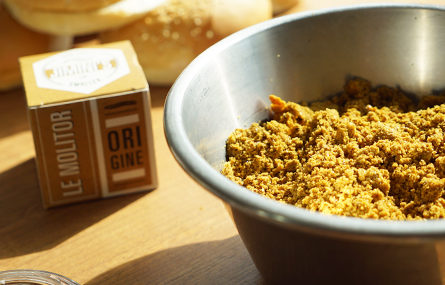
Insect flour (or insect powder — same thing) is a fine powder made by drying and finely grinding edible insects. Ours is made from Tenebrio molitor — the mealworm, authorised as food in Europe since 2021. The result? A cocoa-coloured powder with a subtle toasted-hazelnut flavour, packed with complete protein (all essential amino acids are there), and you handle it just like any regular flour.
Curious about the difference between insect flour and insect powder, plus a deeper look at composition and uses? We covered it all in our guide on insect powder vs insect flour.
How to use insect flour in your recipes
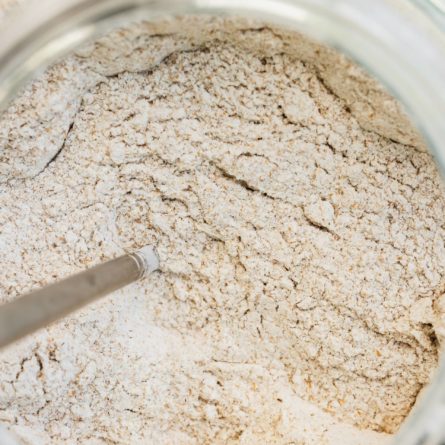
First reflex: don’t swap it 100% for a regular flour. Insect flour doesn’t contain gluten, so on its own it won’t make bread rise or give structure to a cake batter. The right move is to mix it with wheat, spelt or buckwheat flour, at 10 to 20% of the total weight. At that ratio, the flavour stays subtle and you get a real protein boost in every bite.
Five uses tested and approved in the kitchen:
- Homemade bread: 10 to 15% of total flour weight. Darker crust, soft crumb, subtly toasted flavour.
- Fresh pasta: 15 to 20%. You get pasta in a buckwheat shade, with the same texture as a classic dough.
- Cookies, shortbread, financiers: 10 to 20%. Richer flavour, pairs beautifully with dark chocolate, hazelnuts or caramel.
- Smoothie or protein shake: 1 tablespoon (10-15 g) blended plain with banana, plant milk, peanut butter. Invisible in taste and texture.
- Protein breading: a 50/50 mix with breadcrumbs and your favourite spices, to coat chicken, fish or vegetables.
One pro tip: insect flour absorbs slightly more water than wheat flour. If your dough feels dry, just add 5 to 10% more liquid. That’s it.
3 easy recipes to get started
1. Sunday-morning protein pancakes
For 8 pancakes: 100 g wheat flour, 25 g insect flour, 1 egg, 250 ml milk (dairy or plant), 1 tablespoon sugar, 1 sachet baking powder, a pinch of salt. Mix the dry ingredients, add the egg and milk, whisk smooth. Rest 10 minutes. Cook 2 minutes each side in a lightly buttered pan. Serve with maple syrup, fresh fruit or nut butter. +5 g of protein per pancake.
2. Homemade energy bars
For 8 bars: 150 g pitted dates, 80 g rolled oats, 40 g insect flour, 50 g crushed almonds, 2 tablespoons honey, 2 tablespoons peanut butter. Blend the dates into a paste. Add all the other ingredients and mix with a spatula until you get a compact mass. Press into a parchment-lined dish at about 1.5 cm thick. Chill 2 hours, then cut into bars. Keep one week in the fridge. A fun alternative when you don’t feel like grabbing our protein bars made with insect flour.
3. Homemade fresh insect pasta
For 2 people: 160 g wheat flour, 40 g insect flour, 2 eggs, 1 tablespoon olive oil, a pinch of salt. Make a well with the flours, crack the eggs in the centre, add oil and salt. Knead 10 minutes until you get a smooth ball. Rest 30 minutes in the fridge. Roll out with a pin or machine, cut into tagliatelle. Cook 2 to 3 minutes in simmering salted water. Serve with brown butter, parmesan and a turn of pepper — the toasted note of the insect flour comes through beautifully. If you’d rather buy them ready-to-cook, you’ll find them in our insect pasta section.
Precautions: who should avoid insect flour?
One rule to remember: if you’re allergic to crustaceans (shrimp, crab, langoustine) or dust mites, there’s a risk of cross-reaction. The reason: insects share with crustaceans and mites a muscle protein called tropomyosin, which can trigger a cross-reaction in sensitised people. When in doubt, check with an allergist before trying. The label on our products always clearly states the presence of insects — no nasty surprises.
Where to find good-quality insect flour
Not all flours are equal: farming quality, traceability, fineness of grind, freshness. At Jimini’s, we work with European farmers, we check every batch, and our powder is ground fine so it blends smoothly into your preparations without lumps. You can order it on its own or in a mix from our insect powders and flours section. Once opened, the pouch keeps for several months away from light and moisture — exactly like any other flour.
Tiny eco-footprint, maxi flavour: that’s the bet we take with every pouch. Over to you in the kitchen.




Be the first to post a comment